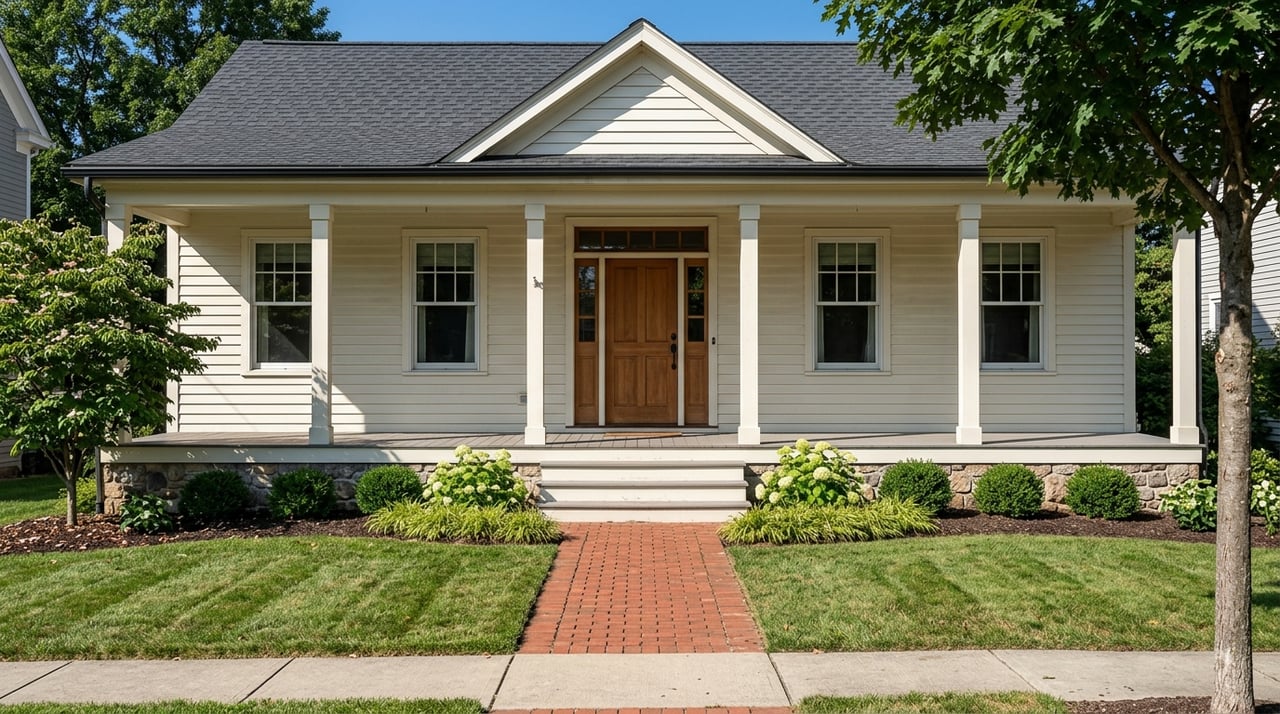
Comparing New Construction vs Resale in Coopersburg
May 14, 2026
May 14, 2026
Trying to choose between a brand-new home and an older one with personality in Coopersburg? You are not alone. In a small market where inventory can be tight and each street can feel a little different, the right choice often comes down to how you want to live, what kind of upkeep you can handle, and how much risk you want to take on in the first 10 years. This guide will help you compare the tradeoffs clearly so you can make a smart move with confidence. Let’s dive in.
Coopersburg is a compact borough with about 2,495 residents, roughly 0.9 square miles, and 1,102 housing units. In a place this small, lot patterns, street layout, and the exact location of a property can have a big impact on how a home feels and functions.
You will also see a real mix of housing types here. Coopersburg has a strong historic identity, with roots going back to early settlement in the 1700s and a historic district recognized decades ago. At the same time, newer communities have brought more modern floor plans, updated systems, and a different kind of lifestyle appeal.
That contrast is a big reason this decision matters. If you are shopping in the 18036 area, you also need to confirm the municipality for each home, because some listings associated with Coopersburg may actually be in nearby Upper Saucon Township.
This is not a market where you can assume every home will sit around waiting for you. Recent market data showed a median sale price of $418,000, homes selling in about 31 days, and recent sales tracking at 100% of asking price.
In practical terms, that means both new construction and character homes can attract serious attention when priced well. Your best advantage is knowing what you are looking at before you fall in love with finishes or curb appeal.
New construction in and around Coopersburg usually appeals to buyers who want fewer near-term surprises. In the current market, newer inventory is limited, with reported median list prices ranging from about $512,450 to $592,000 depending on the source and search set.
A visible local example is Ashford Preserve. Marketing for that community highlights 21 homesites, five open-concept floorplans, 4 or more bedrooms, 2.5 or more baths, 2-car garages, and lots around 0.29 to 0.30 acres.
Many buyers are drawn to the way newer homes live day to day. You are more likely to find center-hall entries, great rooms, large kitchens, breakfast areas, and flex rooms instead of smaller formal spaces divided across multiple rooms.
If you work from home, want easier entertaining, or prefer a more open flow, that can be a major advantage. The layout may simply fit the way you live now better than an older floor plan.
One of the biggest practical benefits of new construction is energy performance. Local new-build descriptions highlight features like advanced framing, whole-house ventilation, 95%+ efficiency gas furnaces, 13 SEER central air, ENERGY STAR-rated water heaters, Low-E windows, and smart thermostats.
That matters because new homes are built to current code standards. ENERGY STAR says certified new homes exceed minimum energy code by at least 10%, and modern energy codes can lock in meaningful savings compared with older building practices.
A new home is not maintenance-free, but the first decade often focuses more on routine upkeep than on major replacements. That can make budgeting feel more predictable.
Instead of worrying right away about an aging roof or HVAC system, you are more likely to spend your time on filter changes, checking gutters, watching windows and doors, and staying on top of basic maintenance. For many buyers, that peace of mind is worth paying more upfront.
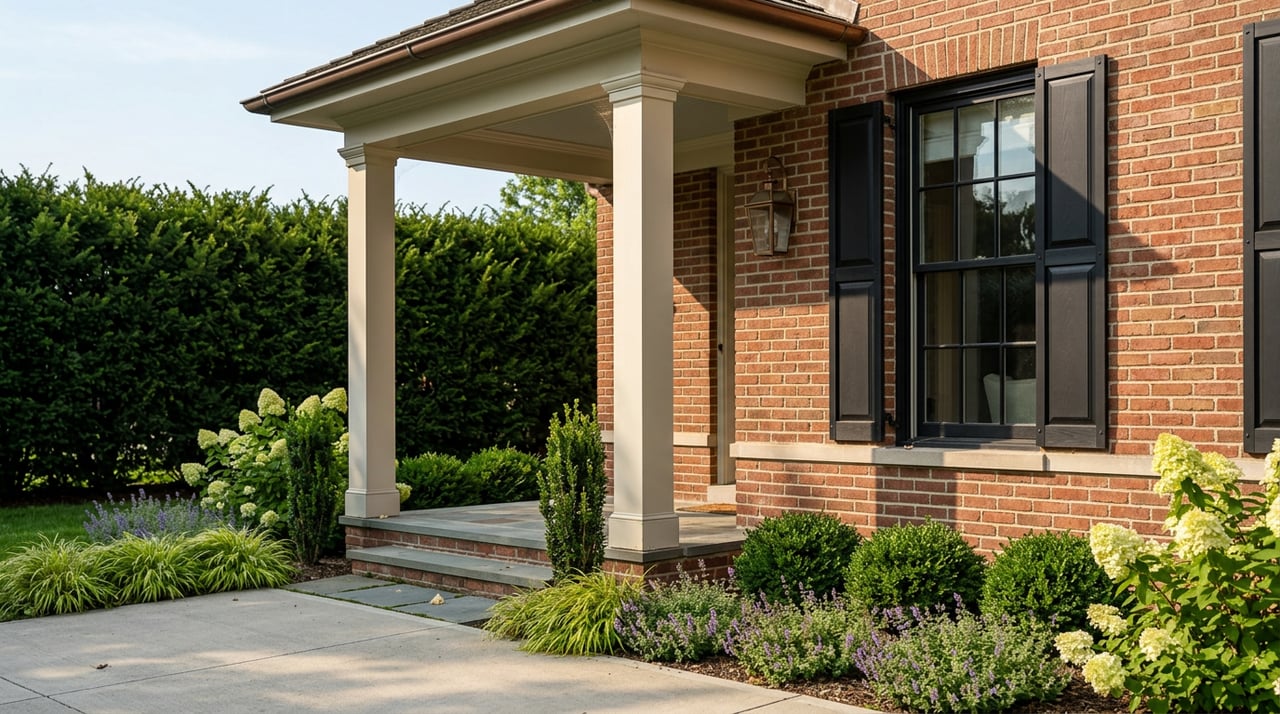
Character homes in Coopersburg attract buyers for very different reasons. Some are in the borough’s historic core on compact in-town lots, while others sit on larger edge-of-town parcels with more land and a very different setting.
For example, one older South Main Street home sits on a 5,630-square-foot lot, while another historic property on South Main sits on 10,800 square feet and is configured as two twin homes on one deed. At the larger-lot end, a 1920 Lanark Road property sits on 2.35 acres and includes period features like arched doorways, beamed ceilings, and molded fireplaces.
Older homes often bring architectural features that are hard to find in new construction. You may see original moldings, unique room shapes, mature setting, thicker trim, older masonry details, or a style that feels more rooted in place.
If personality matters more to you than a perfectly open floor plan, this can be the better fit. Some buyers are happy to trade convenience for charm because they want a home that feels distinct.
Not every older home is a bargain, but some can offer renovation upside. If a home has good bones, solid updates, or a layout you can improve over time, you may get more long-term value than you would from paying a premium for new construction.
That said, upside only matters if you understand the scope. A property with original details and land can be appealing, but if it also needs extensive work, your budget and timeline need to reflect reality.
A lot of buyers assume older homes always come with larger yards. In Coopersburg, that is not always true.
Some historic in-town homes sit on compact parcels, while some older homes outside the core have multi-acre lots. Borough zoning standards also help explain the difference, since dimensional rules vary by district and many older properties may sit on grandfathered lots or outlying tracts.
The better value is not always the lower purchase price. A smarter comparison is what the home may cost you over the next 10 years.
For both new and older homes, the big budget items are usually the roof, HVAC system, and water heater. Asphalt roofs often last around 20 to 30 years, central air systems average about 18 years, and water heaters typically last about 10 to 15 years.
With new construction, focus on builder specs, warranties if available, lot size, and what is included in the base price versus upgrades. A home with strong mechanical systems and better energy performance may cost more upfront but reduce monthly operating costs and near-term repair risk.
You should also look beyond the model-home shine. Confirm what materials were used, what maintenance is still expected, and how the lot and layout compare with older homes nearby.
With an older home, the key question is not just age. It is what has already been replaced.
A well-updated older property may be a strong value if the roof, HVAC, water heater, windows, and insulation have been improved. A similar-looking home with aging systems and deferred maintenance can become much more expensive within a few years.
Older homes also often have more room for efficiency upgrades. The Department of Energy notes that many older homes have less insulation than newer ones, that air leakage can account for 30% or more of heating and cooling costs, and that windows can be a major source of heat loss.
In Coopersburg, permits matter for both new construction and renovations. The borough requires permits for new construction and renovation work, and its zoning and design-review framework also addresses changes affecting historic properties.
That means you should pay close attention to whether additions or major updates were properly permitted. Cosmetic updates can look great online, but they do not tell you whether the work behind the walls was done correctly.
When you compare new construction and character homes in Coopersburg, use a simple checklist:
For older homes, a home energy assessment can also be a useful model for pre-purchase due diligence. It helps you understand where the home may need air sealing, insulation, or other efficiency work.
If you want predictable maintenance, modern layout, and stronger starting efficiency, new construction may be the better match. You will likely pay a premium, but you may reduce surprises in the early years of ownership.
If you care more about architecture, setting, renovation potential, or a home that feels one of a kind, a character home may be worth the extra homework. The best choice depends on how you balance charm, cost, and the amount of work you are willing to take on.
In a market like Coopersburg, that decision gets easier when you look past staging and focus on structure, systems, and long-term value. That is where a builder-minded approach can make a real difference.
If you are weighing new construction against an older home in Coopersburg, working with someone who can read condition, spot red flags, and help you think through renovation scope can save you money and stress. Connect with Jeff Adams for practical guidance tailored to your move.
Stay up to date on the latest real estate trends.
Trust him for expert real estate guidance rooted in deep local insight and seasoned experience. With his strong negotiation skills and client-first approach, he makes buying or selling confident, strategic, and seamless.
JEFFREY ADAMS
3120 Hamilton Blvd Allentown, PA 18103