How Center Valley Compares to Nearby Saucon Communities
April 16, 2026
April 16, 2026
If you are planning a move-up purchase in the Saucon area, one question can shape your budget faster than almost anything else: Do you want more space, a more compact in-town setting, or a middle ground with established neighborhoods? In and around Center Valley, that choice also affects your property taxes, housing style, and how much updating you may want to take on. This guide breaks down how Center Valley, Coopersburg, Lower Saucon, and Hellertown compare so you can focus on the right fit for your next home. Let’s dive in.
For public data, Upper Saucon Township is the best proxy for Center Valley because Center Valley sits within that broader township setting, and the Southern Lehigh School District office is located in Center Valley. According to Census Reporter’s Upper Saucon profile, Upper Saucon has 17,484 residents across 24.5 square miles.
That gives Center Valley buyers a good starting point for comparison. Nearby options include Coopersburg in Lehigh County, plus Lower Saucon Township and Hellertown in Northampton County. These areas are close to one another, but they feel different in lot patterns, housing stock, and long-term ownership costs.
For many move-up buyers, the biggest separator in this market is not commute time. It is school-district-driven tax exposure. Upper Saucon and Coopersburg use the Southern Lehigh school rate, while Lower Saucon and Hellertown use the Saucon Valley school rate.
The Southern Lehigh School District 2025-26 budget sets millage at 17.7130. The same source comparison in the research shows Saucon Valley’s 2025-26 school rate at 55.2055. That difference is large enough that it can materially change your monthly ownership cost, even before municipal taxes are added.
Based on the latest local tax sheets in the research, approximate combined millage looks like this:
| Area | Approx. Combined Millage |
|---|---|
| Upper Saucon / Center Valley | 23.1 |
| Coopersburg | 26.9 |
| Lower Saucon | 71.1 |
| Hellertown | 89.0 |
The ranking is the key takeaway. Upper Saucon and Center Valley are the lightest-tax option in this comparison, Coopersburg comes next, and Lower Saucon and Hellertown come in much higher.
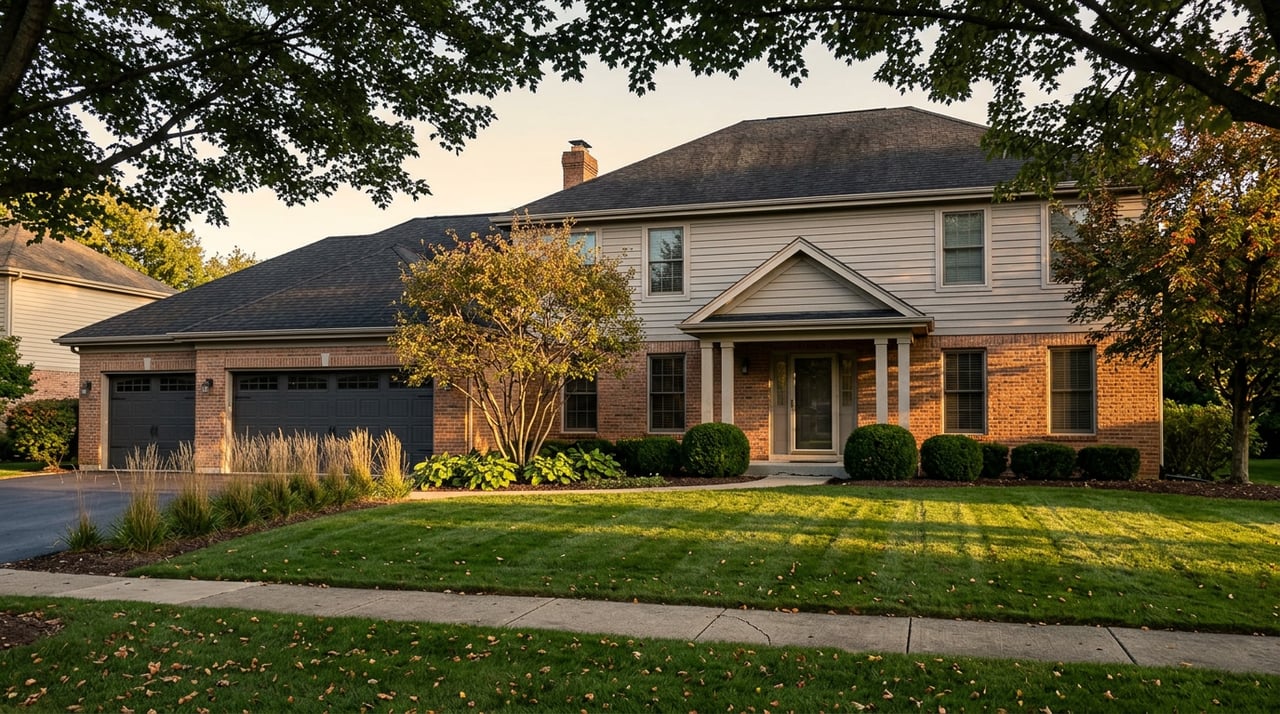
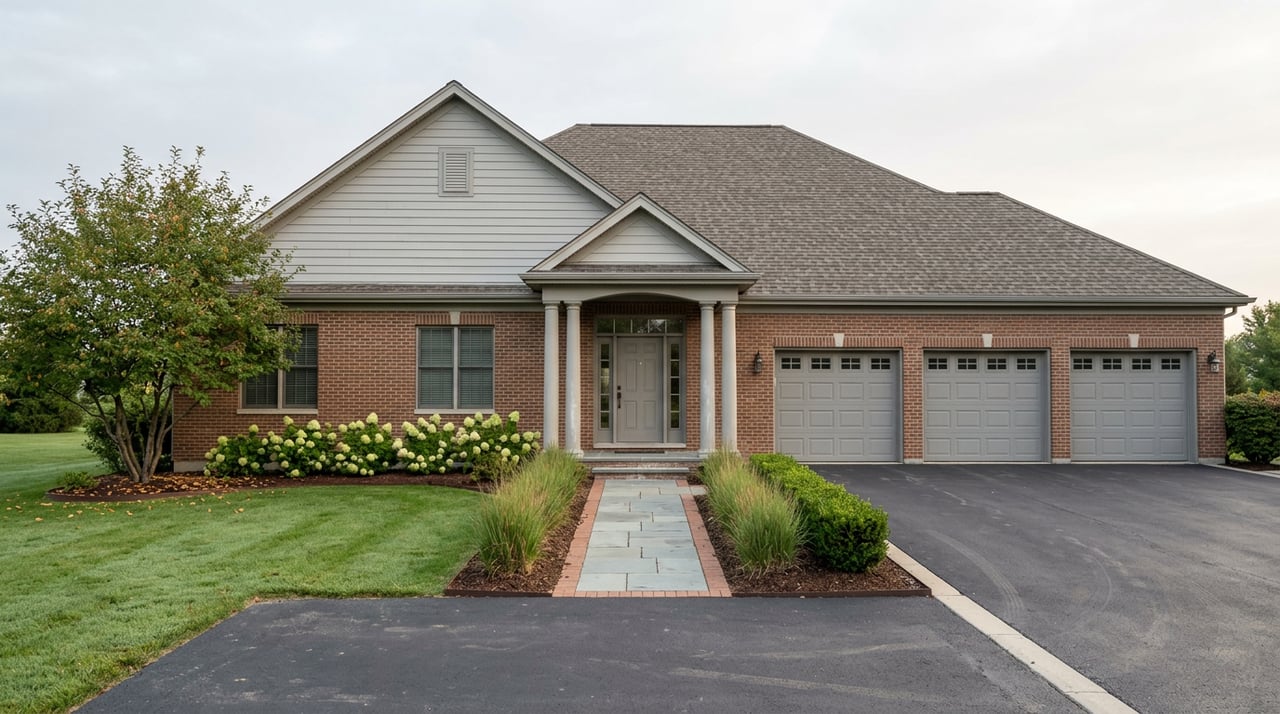
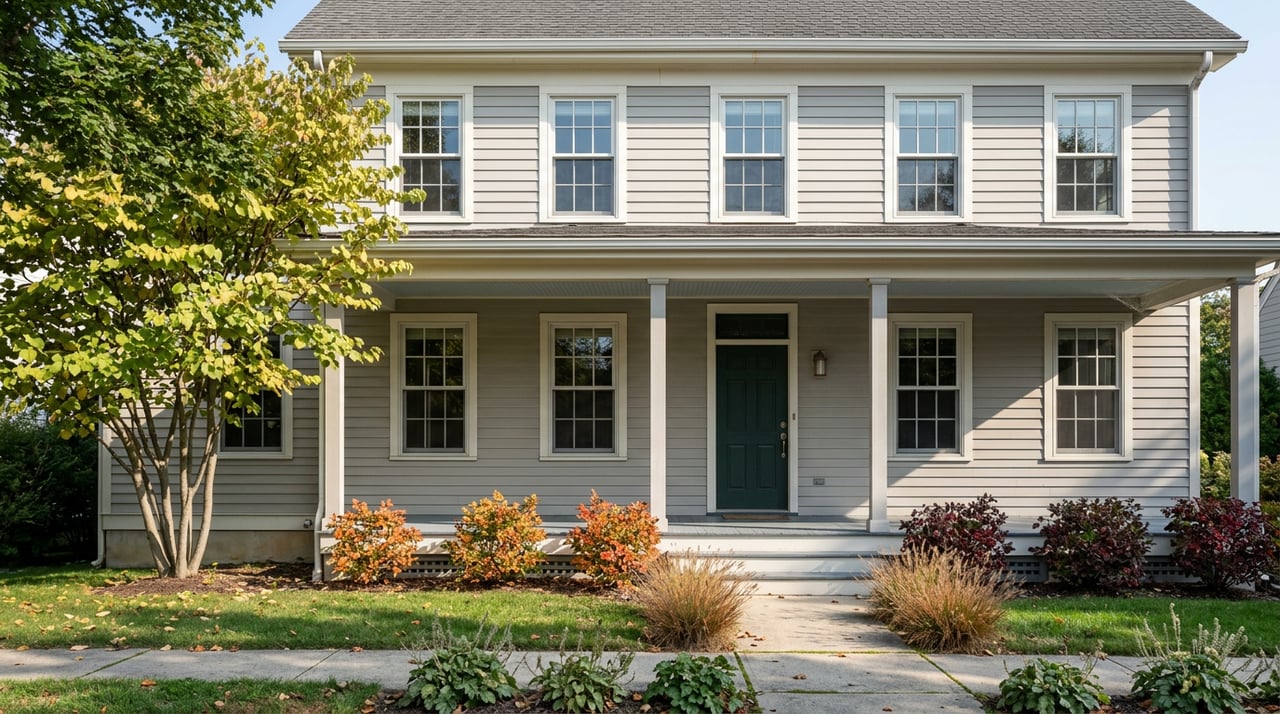
If your move-up goal is more square footage, more yard, and a more suburban layout, Center Valley and Upper Saucon are the clearest fit. The township’s comprehensive plan describes the area as a place of large single-family detached homes on large lots.
Public data also supports that larger-footprint picture. Upper Saucon has 6,047 housing units and a median owner-occupied home value of $461,600, according to Census Reporter. Local zoning standards for detached homes require minimum widths, frontage, and setbacks that reinforce a more spacious development pattern.
For buyers moving up from a tighter lot or attached housing, this often translates into:
This is often the best lane if you want your next home to feel like a true step up in both interior and exterior space.
Coopersburg can appeal to move-up buyers who still want access to the Southern Lehigh tax and school structure, but prefer a smaller, more compact borough setting. According to Census Reporter’s Coopersburg profile, the borough covers just 0.9 square miles, with 1,102 housing units and a median owner-occupied home value of $317,000.
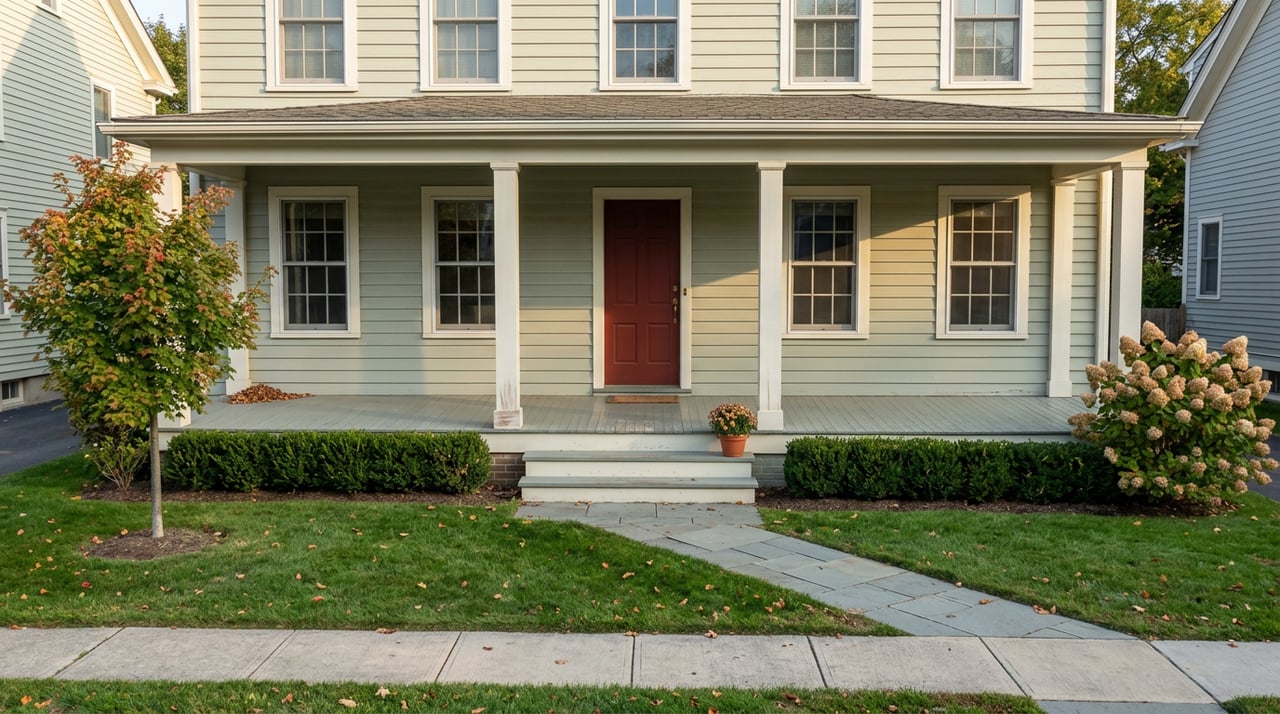
Its planning profile describes housing that is mostly single-family in a borough-style, in-town pattern. That means your tradeoff is usually less lot space than Upper Saucon, but often a more compact setting and a lower median value point.
For move-up buyers, Coopersburg can make sense if you want:
If you want more house than you have now, but do not need the largest lot pattern in the market, Coopersburg deserves a look.
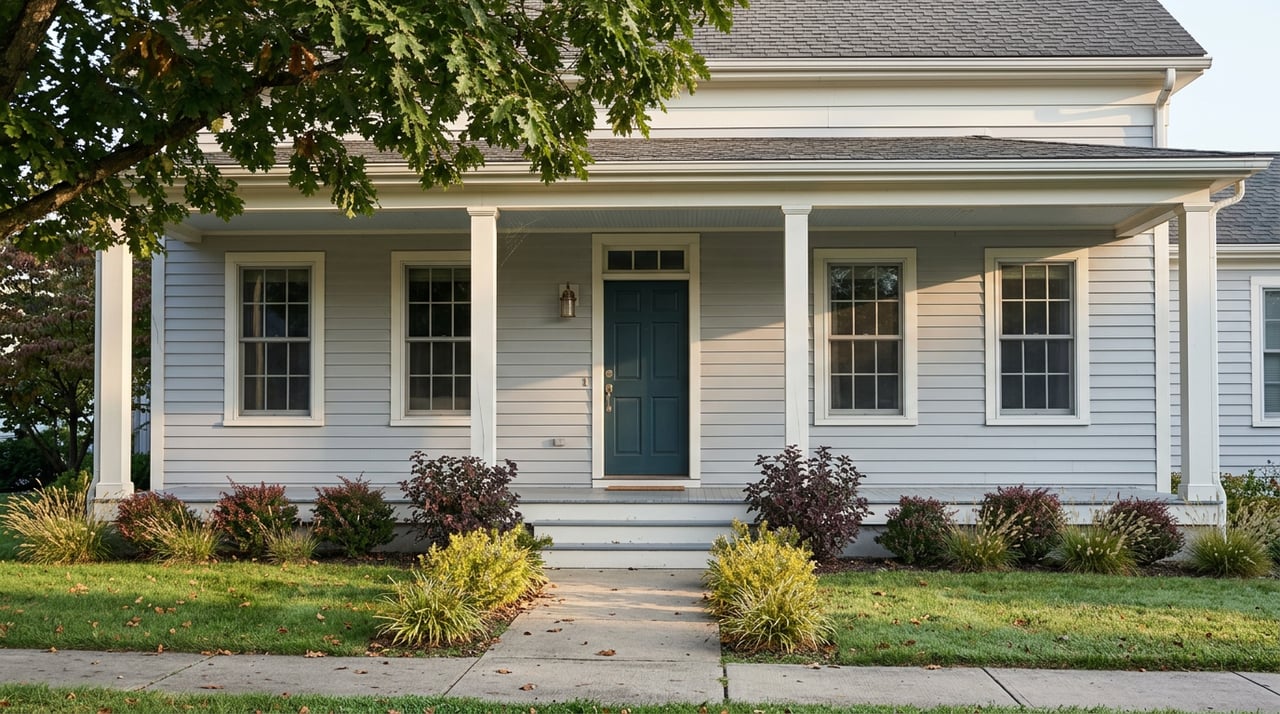
Lower Saucon Township sits between the larger-lot Center Valley side and the tighter in-town borough options. Township planning material describes 92% of the housing stock as single-unit residences, and the residential ordinance sets detached-home minimums at 8,000 square feet with 75 feet of lot width, based on the township ordinance.
That creates a housing picture that still feels township-scaled, but more built out than Upper Saucon. Lower Saucon has 4,275 housing units and a median owner-occupied value of $396,200, according to the research.
The challenge for some buyers is cost beyond the sale price. Lower Saucon’s approximate combined millage is much higher than Upper Saucon’s, largely because it falls within the Saucon Valley school-tax structure. So while the housing form may appeal to buyers seeking established detached-home neighborhoods, the tax side needs careful review.
Hellertown is the most compact option in this comparison. It has 2,597 housing units and a median owner-occupied home value of $256,200, according to Census Reporter’s Hellertown profile.
Planning material in the research describes more than 80% of the housing stock as single-unit structures, with another 17% in 2- to 19-unit structures. That creates a more mixed, borough-scale housing base than the surrounding townships.
For move-up buyers, Hellertown is usually less about getting the biggest lot and more about:
The biggest caution is ownership cost. Hellertown’s approximate combined millage is the highest in this group, so a lower purchase price does not always mean a lower total monthly cost.
If you are trying to decide based on drive time alone, the numbers do not show a dramatic gap. Mean travel time to work is 24.9 minutes in Upper Saucon, 25.5 in Coopersburg, 27.2 in Lower Saucon, and 25.7 in Hellertown, based on the ACS-based Census Reporter profiles.
That is why commute is not the cleanest way to separate these choices. In this part of the market, housing form, lot pattern, and tax exposure tend to matter more than a one- or two-minute difference in average travel time.
Here is the simplest way to frame the decision if you are moving up.
Center Valley and Upper Saucon are usually the strongest fit if your priority is:
Coopersburg may be the better match if you want:
Lower Saucon can work well if you want:
Just make sure you weigh the higher tax load carefully.
Hellertown may fit best if you prefer:
Again, monthly ownership cost deserves a close look because taxes are much heavier here.
As a move-up buyer, it helps to compare more than list price. In these communities, two homes with similar asking prices can feel very different once you factor in lot pattern, tax bill, and future update costs.
A practical comparison should include:
That last point matters more than many buyers expect. In compact borough settings, an older home may offer useful upside if you are comfortable with improvements. In larger-lot township settings, you may gain space and lower relative tax exposure, but you may also take on more exterior upkeep.
This is where a technical eye can make a real difference. If you are comparing a larger detached home in Center Valley with an older in-town option in Coopersburg or Hellertown, the smartest move is not just asking which home looks better online. It is asking which one gives you the better combination of space, condition, and long-term cost.
That is especially true when renovation potential enters the picture. A home with upside can be a great move-up buy, but only if the scope, cost, and return make sense for your goals.
If you want help comparing Center Valley with nearby Saucon-area options, Jeff Adams can help you weigh taxes, condition, lot patterns, and renovation considerations so you can make a confident move-up decision.
Stay up to date on the latest real estate trends.
Trust him for expert real estate guidance rooted in deep local insight and seasoned experience. With his strong negotiation skills and client-first approach, he makes buying or selling confident, strategic, and seamless.
JEFFREY ADAMS
3120 Hamilton Blvd Allentown, PA 18103