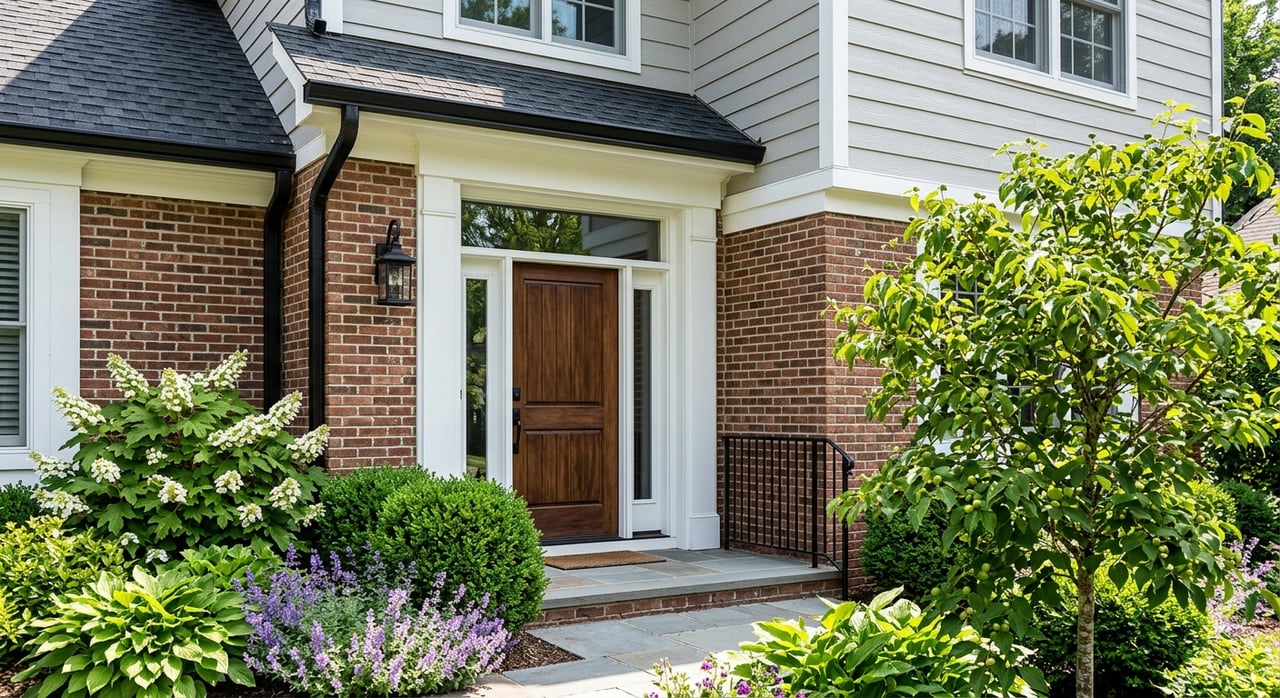
How To Price Your Coopersburg Home With Confidence
April 2, 2026
April 2, 2026
Wondering why one Coopersburg home gets strong interest right away while another sits and chases the market? In a small, active market, pricing is not about picking a number that feels right. It is about matching your home to the right comparable sales, your exact location, and your home’s real condition. If you want to price with confidence and protect your bottom line, this guide will show you what matters most and how to avoid common mistakes. Let’s dive in.
One of the biggest pricing mistakes in the Coopersburg area happens before the numbers even begin. A Coopersburg mailing address does not always mean your home is inside the borough, because the post office also serves parts of Upper Saucon, Springfield, and Lower Milford townships, according to the Borough of Coopersburg.
That matters because pricing depends on the correct market area. Before you compare your home to nearby sales, you need to verify the exact municipality. A home inside the borough may compete with a different set of buyers and comparable properties than a home with the same mailing address in a surrounding township.
Recent market snapshots show a market with real buyer activity, but not one simple headline number. Redfin’s Coopersburg housing market data reported that in February 2026 the median sale price was $418,000, homes sold in 22 days, and the average sale closed about 1.5% under list price.
At the same time, Realtor.com’s December 2025 Coopersburg page showed a median home price of $449,900, 36 active listings, 43 average days on market, a 100% sale-to-list ratio, and a Hotness Index of 81. These numbers are different because they come from different time periods and methods, but they point to the same practical takeaway: correctly priced homes can still attract attention, while overpricing can slow your sale.
There is another reason to be careful with broad market numbers. Redfin’s February 2026 data included only 2 closed sales, which means one transaction can swing the median more than you might expect. That is why a smart pricing strategy should rely on a full comp set, not a single headline statistic.
If you want a realistic list price, the best place to start is with nearby closed sales that truly match your home. Fannie Mae says the strongest comps come from the subject property’s market area, ideally in the same neighborhood or subdivision, and appraisers should report at least three closed comparable sales. Closed sales from the last 12 months are preferred, though older sales can still be used if they remain the best indicators of value and the time difference is explained, according to Fannie Mae’s comparable sales guidance.
In a smaller market like Coopersburg, there may not always be enough truly similar homes sold recently. Fannie Mae allows comparable sales from competing market areas when they are the best available option, as long as the differences are clearly explained. In practical terms, that means nearby areas may be valid comp sources, but the adjustment cannot be a guess.
When reviewing sales, look for homes that are similar in the areas buyers care about most:
The National Association of Realtors says pricing recommendations typically account for size, location, amenities, condition, and buyer preferences, as explained in its consumer guide to home pricing. If your goal is a faster sale, pricing more competitively may also make sense.
Two homes with the same bedroom count and similar square footage can still command different prices. Condition often explains the gap. This is where many sellers either leave money on the table or aim too high.
A clean, well-maintained home with smart updates may justify stronger pricing than a similar home with deferred maintenance. But those updates still need to match what the market expects. Fannie Mae notes that updated areas should meet current market expectations, not simply look different, according to its guidance on property condition and quality.
That is one reason pricing should go beyond an online estimate. A builder-minded review of your home’s roofline, mechanicals, finishes, visible wear, and likely buyer objections can lead to a much more accurate range.
Some issues tend to carry more weight during a sale because buyers and appraisers may see them as higher risk. NAR notes that buyers often react strongly to:
These items often lead to repair requests after inspection, based on NAR’s field guide to home inspections. If your home has one of these issues, your price should reflect the likely impact instead of hoping it will be ignored.
A pre-sale inspection is not required, but it can help you price more confidently. NAR explains that a pre-sale inspection may uncover issues involving the structure, roof, plumbing, electrical, heating and cooling, insulation, ventilation, fireplaces, and even environmental concerns such as mold, radon, lead paint, or asbestos in some cases, according to its guide to preparing to sell your home.
If a significant repair is needed, NAR recommends estimating the cost even if you do not plan to fix it. Buyers often price those repairs into their offers and negotiations. When you know the likely issue and its cost up front, you can choose whether to repair it, disclose it, or price around it.
It is easy to assume every improvement adds equal value, but that is rarely true. The 2025 NAR Remodeling Impact Report found that the highest reported cost recovery was 100% for a new steel door, while REALTORS® most often recommended painting, roofing, kitchen upgrades, and bathroom work before listing, according to the 2025 Remodeling Impact Report.
The key lesson is simple: focus on improvements that support market expectations and clean presentation. Fresh paint, visible maintenance, and practical updates often help pricing more than highly customized projects. You want buyers to see a home that feels cared for and move-in ready, not a home where they immediately start subtracting repair costs.
Pricing is not only about your house. It is also about what buyers can comfortably afford right now. Freddie Mac’s PMMS archive showed the 30-year fixed mortgage rate at 6.38% on March 26, 2026, and Freddie Mac notes that lower rates increase affordability and purchasing power, according to the PMMS archives.
When rates move, buyer budgets can change quickly. That can affect how aggressively buyers respond to your list price, especially in price points where monthly payment sensitivity is high. In other words, the right price today may not be the right price a few weeks from now if financing conditions shift.
Because Coopersburg is a smaller market, there may be times when the local comp pool is limited. In that case, county-level context can help you understand the broader backdrop. Realtor.com’s December 2025 Lehigh County overview showed 858 homes for sale, a median listing price of $369,500, median days on market of 48, and a 100% sale-to-list ratio, according to the Lehigh County market overview.
This does not replace local comps, but it does offer perspective when borough-level data is thin. If your home is unique or there have been very few recent nearby sales, broader county trends can help frame pricing decisions while your actual value remains anchored to the best available comparable homes.
If you are interviewing an agent or reviewing a pricing recommendation, do not stop at, “What would you list it for?” A better conversation digs into the evidence behind the number.
Ask questions like these:
These questions line up with Fannie Mae’s comp selection guidance and NAR’s focus on condition, buyer preferences, and realistic pricing. They also help you separate a data-backed strategy from a number chosen to win the listing.
If you want to price your Coopersburg home with confidence, focus on the factors that actually move the market. Verify your municipality first, use the right comps, account honestly for condition, and stay aware of buyer affordability.
In a market where a few sales can skew the headlines, confidence comes from a careful pricing process, not guesswork. When your price reflects the real competition around you and the real condition of your home, you put yourself in a stronger position to attract serious buyers and protect your net proceeds.
If you are thinking about selling and want a pricing strategy grounded in comps, condition, and practical renovation insight, connect with Jeff Adams. His builder-minded approach can help you understand what your home may be worth, which updates are worth considering, and how to go to market with a clear plan.
Stay up to date on the latest real estate trends.
Trust him for expert real estate guidance rooted in deep local insight and seasoned experience. With his strong negotiation skills and client-first approach, he makes buying or selling confident, strategic, and seamless.

JEFFREY ADAMS
3120 Hamilton Blvd Allentown, PA 18103