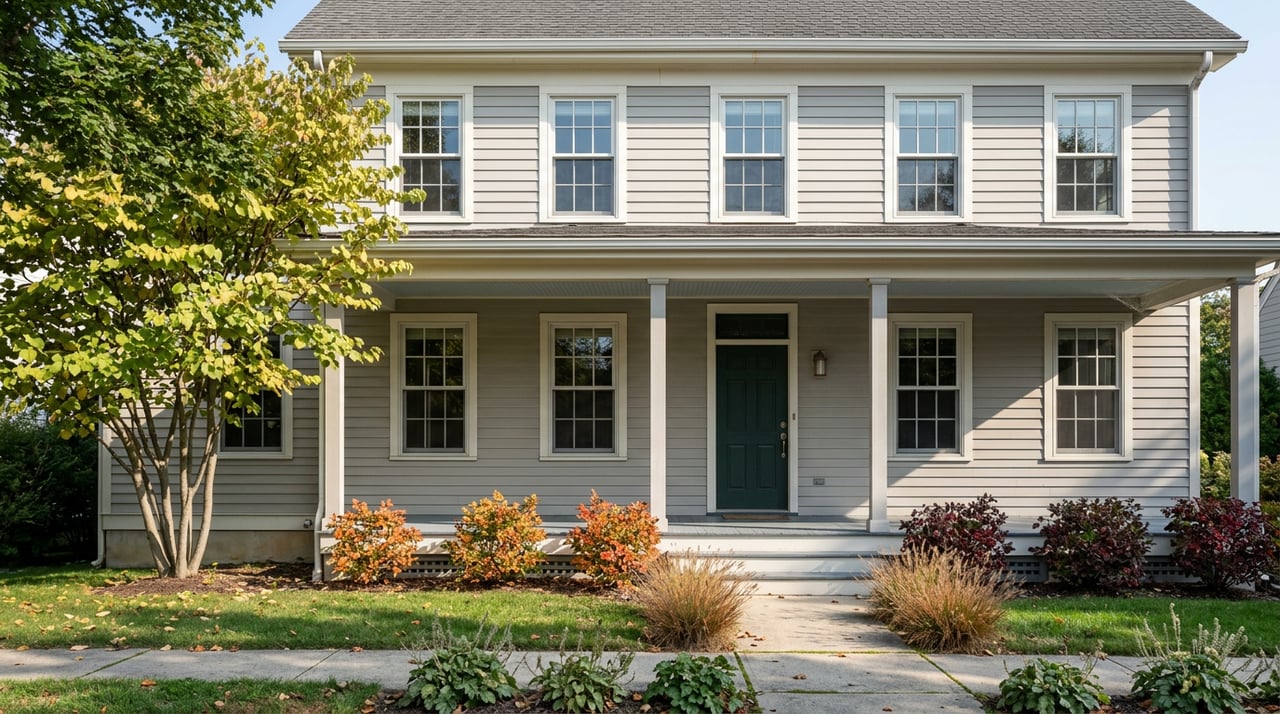
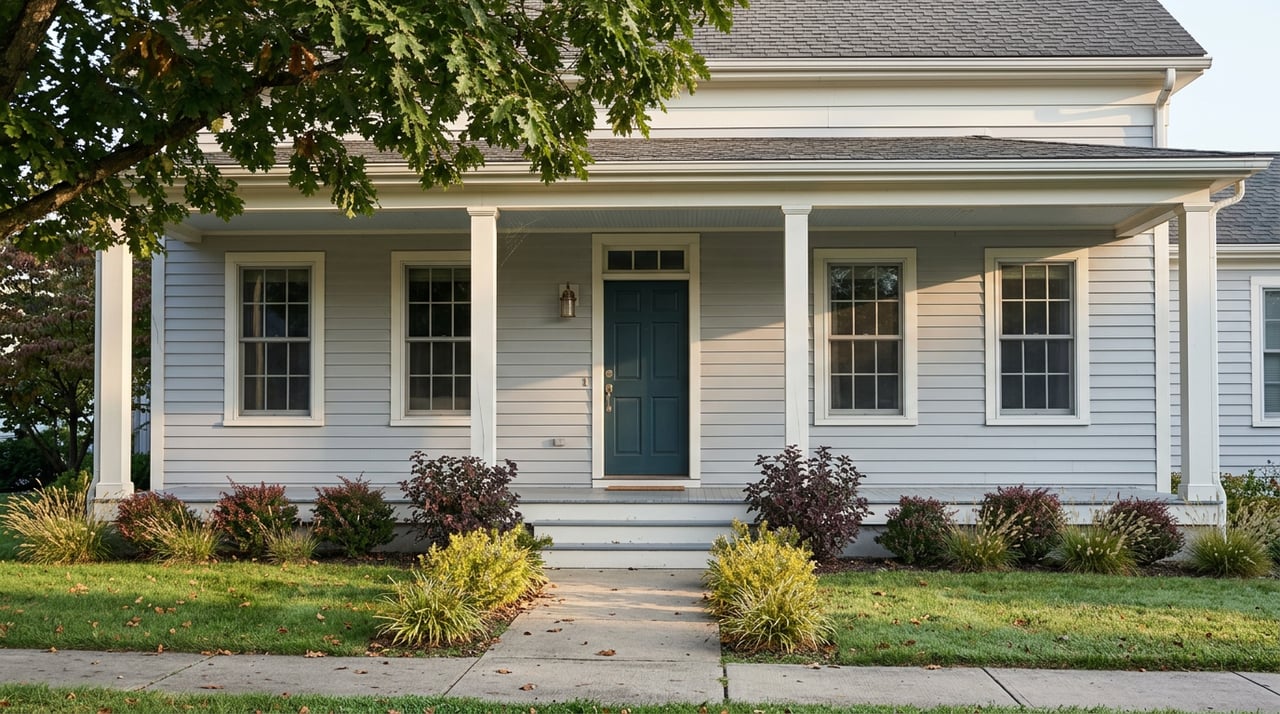
Thinking about buying in Macungie and stuck between a single-family home and a townhome? You are not alone. Both options can work well here, but the right fit depends on your budget, tolerance for maintenance, and how you want to use your space. In this guide, you will learn how prices, HOA rules, maintenance, and lifestyle tradeoffs play out locally so you can choose with confidence. Let’s dive in.
Macungie market at a glance
Macungie offers a wide mix of housing, from historic Main Street homes to 1990s–2020s subdivisions and townhome communities. Local portals often show single-family medians above attached-unit medians, while townhomes trend lower for a similar interior size. Exact medians vary by whether data includes only the borough, nearby townships, or the entire ZIP, so always confirm the geographic boundary behind any number you see. For context on why numbers differ by area definition, review how datasets define “Macungie” at sources that break down local boundaries like project-level data tools that track city, ZIP, and county cutlines explained here.
Inventory moves quickly when months of supply run low and well-presented homes can see short days on market. That means your prep matters. If you like a home, be ready with a clear plan for financing and due diligence.
What you will pay each month
Price and HOA impact
- Single-family homes usually carry a higher purchase price and larger lots.
- Townhomes often deliver a lower entry price for comparable interior space, but many come with a homeowners association. In Macungie, HOA dues commonly range from about 100 to 300 dollars per month depending on amenities and services. The key is to read what the fee actually covers and how fees have changed over time, then factor that into your monthly budget. To understand how HOAs structure budgets and owner responsibilities, review a management resource on community operations and documents like this overview.
Maintenance reserve you should plan
No matter what you buy, plan for routine upkeep. A widely used rule of thumb is to budget about 1 to 4 percent of a home’s value per year for maintenance and repairs, with newer homes toward the low end and older homes toward the high end. That guidance is a simple way to compare total cost of ownership across property types as explained here.
- Example reserve on a 350,000 dollar townhome: 1 percent is 3,500 dollars per year (about 290 dollars per month); 2 percent is 7,000 dollars per year (about 585 dollars per month).
- Example reserve on a 500,000 dollar single-family: 1 percent is 5,000 dollars per year (about 415 dollars per month); 2 percent is 10,000 dollars per year (about 830 dollars per month).
Illustrative monthly-cost snapshot
These examples show how HOA dues and a maintenance reserve change the picture. Taxes are placeholders for illustration. Always pull the parcel’s actual tax card from county records to verify the number via Lehigh County property records portals.
| Cost item |
Townhome example |
Single-family example |
| Example price |
$350,000 |
$500,000 |
| HOA dues |
$175/mo |
$0/mo |
| Property tax (illustrative) |
$6,500/yr = $540/mo |
$8,500/yr = $710/mo |
| Maintenance reserve (1%–2%) |
$290–$585/mo |
$415–$830/mo |
| Total add-ons beyond mortgage & insurance |
$1,005–$1,300/mo |
$1,125–$1,540/mo |
What this shows: townhomes add HOA dues, but exterior upkeep can shift from you to the association. Single-family homes skip the HOA line, yet they often require a larger maintenance reserve and may carry higher taxes.
Lifestyle tradeoffs to weigh
Space, privacy, and yard use
- Single-family homes provide more separation from neighbors and typically offer a larger private yard. If outdoor grilling, gardening, or pets are a high priority, this can be a deciding factor.
- Townhomes offer lower exterior maintenance and often sit close to amenities, parks, or commuter routes. The tradeoff is shared walls and smaller private outdoor areas.
Renovation freedom and rules
- Single-family homes usually give you more latitude on exterior changes, subject to local permitting. For Macungie and nearby municipalities, you must follow Pennsylvania’s Uniform Construction Code and local ordinances. Always check permit thresholds for decks, additions, and accessory structures before you plan a project see the state UCC guidance.
- Townhomes commonly require HOA or architectural review committee approval for exterior-visible changes. Paint colors, fences, windows, and additions often have standards you must follow. Review the association’s ARC process and design guidelines before you buy learn how ARC reviews work. If the property is in a condominium structure, confirm what the master policy covers and how covenants limit exterior alterations see an overview of CC&Rs.
Due diligence for each property type
Documents to request early
- For any condo or townhome, ask for the full HOA packet: declaration or CC&Rs, bylaws, rules, budget, reserve study, recent meeting minutes, delinquency rate, master insurance policy, and any special assessments. These documents shape what you can do, what you pay, and how the building is maintained review the key HOA documents here.
- For any property, request seller disclosures, prior permits, recent utility bills, and the tax history. Verify taxes at the county level using public record portals.
Inspection focus for single-family homes
- Roof age and flashing, drainage and grading, foundation movement, and any retaining walls.
- Driveway condition, tree health near structures, and any outbuildings.
- Full systems check for HVAC, electrical, plumbing, and water heater.
Inspection focus for townhomes and condos
- Shared roofs, building envelope, gutters, parking areas, and sidewalks.
- Sound transmission at party walls and any signs of water intrusion in shared walls or basements.
- The HOA’s maintenance record and reserve funding to handle big-ticket items on time. Confirm the master insurance policy type and what your personal policy must cover.
Financing checks for townhomes and condos
Some townhomes are legally condominiums. If so, certain loans require the project to meet FHA, VA, or conventional agency guidelines. Ask your lender to check project eligibility early so you are not surprised during underwriting learn the basics of FHA condo approvals.
Environmental and code items
- Radon: Pennsylvania has elevated potential for radon. The EPA action level is 4.0 pCi/L. Plan a professional radon test during your inspection window and budget for mitigation if needed. For state mapping resources and soil data tools, see Pennsylvania’s spatial data portal here.
- Permitting: For single-family exterior projects, confirm local permit requirements. For townhomes and condos, you may need both municipal permits and HOA approval review the state’s UCC overview.
Where each option shows up in Macungie
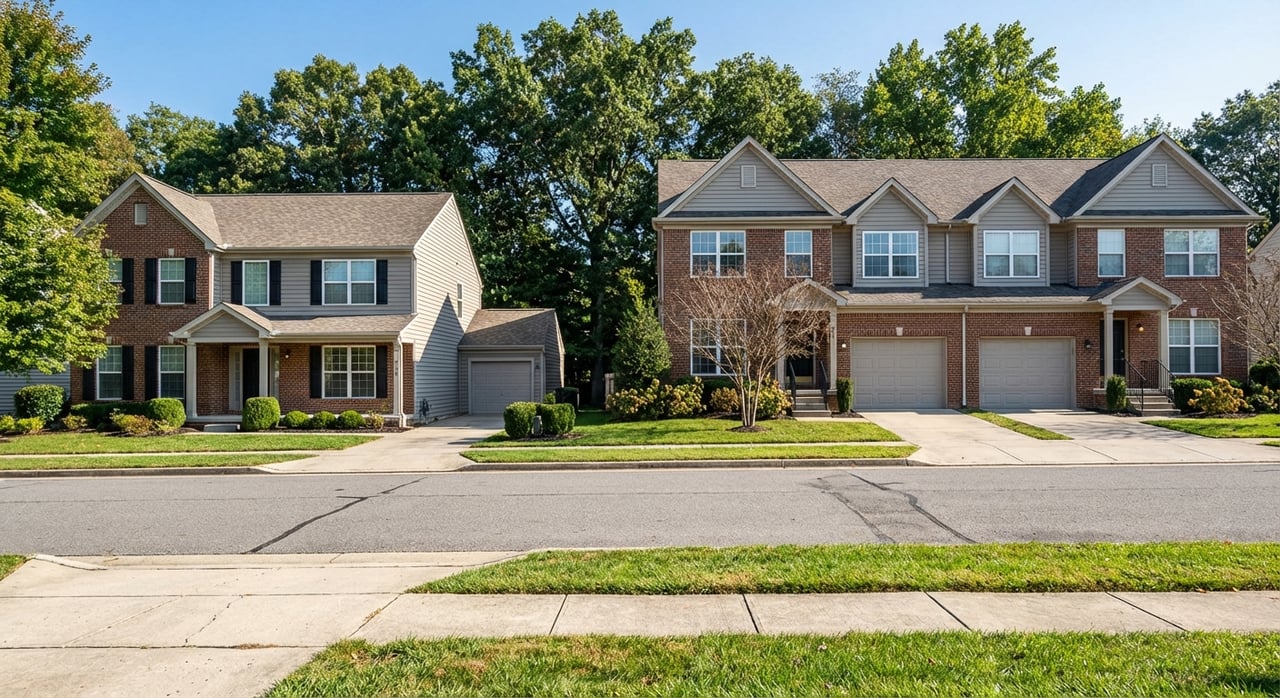
- Downtown and the historic core: You will find older rowhouses and small-lot detached homes near Main Street. Expect character, smaller yards, and systems that may need updates. Renovation potential is real, but plan for discovery during inspections.
- Brookside, Fields, and newer townhome clusters: Newer attached homes offer lower-maintenance living and often include HOA-managed exteriors. Some communities list modest monthly dues tied to grounds and snow removal. You may also see pools or clubhouses in select associations.
- Suburban single-family subdivisions: 1990s to 2010s neighborhoods offer larger lots and more detached homes. These can suit buyers who want more private outdoor space and a longer-term hold. Expect higher maintenance needs and potentially higher taxes relative to a smaller attached unit.
For families doing school checks, verify assignments directly with the district before you write an offer. Boundaries can change, and assignments vary by address use the East Penn School District site.
How to choose: a quick decision guide
- Choose a townhome if you want a lower entry price, less exterior maintenance, and proximity to amenities. Read the HOA packet closely, check reserve strength, and understand renovation limits.
- Choose a single-family if you want a private yard, fewer exterior restrictions, and maximum renovation flexibility. Budget more for upkeep using the 1 to 4 percent rule.
- For either path, compare total monthly cost, not just the mortgage. Add property taxes, insurance, HOA dues if any, and a realistic maintenance reserve.
Before you tour: your mini checklist
- Request the HOA documents early for any attached home, including CC&Rs, rules, current budget, reserve study, and master insurance policy.
- Ask for seller disclosures, prior permits, recent utility bills, and a copy of the tax card. Verify taxes using county records.
- Line up a lender and confirm whether any condo project is eligible for your loan program.
- Plan a full home inspection, radon test, and sewer or septic confirmation as applicable.
- Confirm parking rules, pet rules, rental restrictions, and approval steps for renovations.
- If schools matter to you, verify assignments with the district using the official site.
How a builder-turned-broker helps you decide
When you compare a single-family home to a townhome, it is more than price. It is the roofline, grading, envelope, and mechanicals versus what the HOA maintains and what it reserves for future work. With a construction-trained eye, you can spot potential costs early and use them to negotiate or to plan. If you want a grounded view of condition, scope, and long-term costs, you can lean on a local advisor who works this way every day.
If you are ready to compare options in Macungie, get a clear plan for tours, HOA reviews, inspections, and financing. You will move faster and with less stress when the right home hits the market. To talk through your goals and map a property-by-property plan, connect with Jeff Adams.
FAQs
What is the typical HOA fee for a Macungie townhome?
- Many local associations charge about 100 to 300 dollars per month depending on amenities and what services are included. Always read the current budget and reserves in the HOA packet see a breakdown of HOA documents.
How much should I budget for maintenance on a Macungie home?
- A common rule is 1 to 4 percent of the home’s value per year, lower for newer homes and higher for older properties. This is a useful way to compare townhomes and single-family homes source on maintenance budgeting.
Can I use FHA or VA financing on a Macungie townhome or condo?
- If the property is in a condominium project, the community must meet FHA, VA, or agency guidelines for certain loans. Have your lender check project eligibility early see FHA condo approval basics.
What should I review in a townhome HOA before I buy?
- Request CC&Rs, bylaws, rules, the latest budget, reserve study, meeting minutes, delinquency rate, and the master insurance policy. These documents shape costs, approvals, and maintenance standards learn what to request.
Do Macungie homes need radon testing?
- Pennsylvania has elevated radon potential. Plan a professional radon test during your inspection period and budget for mitigation if levels exceed the EPA action level of 4.0 pCi/L reference state spatial data resources.