Should You Update Or Sell As-Is In Emmaus?
July 9, 2026
July 9, 2026
If you are getting ready to sell your home in Emmaus, one question can shape everything that happens next: should you update the property first, or sell it as-is? It is a real concern, especially when you want the best possible price without wasting time or money on the wrong projects. The good news is that in Emmaus, the answer is often more practical than dramatic. With the right plan, you can focus on what matters most, avoid low-return work, and move forward with confidence. Let’s dive in.
Emmaus has a long history and a housing mix that reflects it. The borough was formed in 1759 and incorporated in 1859, with growth over time that created a blend of residential, commercial, and light industrial areas. For sellers, that means buyers are often comparing homes of different ages, styles, and levels of updating rather than expecting a neighborhood full of similar new construction.
That makes condition and presentation especially important. In a market with mixed housing stock, buyers tend to notice whether a home feels well cared for, functional, and move-in ready, even if it is not newly renovated.
Current data also shows a seller-friendly environment. Recent reports showed a median sale price around $364,782, homes selling in about 9 days on one platform, and sale-to-list ratios above asking. Another source reported a median listing price of $395,000, roughly 51 homes for sale, and homes selling at 101% of asking in May 2026.
Just as important, Emmaus appears to be a stable owner-occupied community. Census QuickFacts shows a 64.0% owner-occupied housing rate, and 91.8% of residents lived in the same home one year earlier. That kind of stability can support steady demand, especially for homes that are priced and presented well.
Instead of asking, “Should I renovate everything?” ask a better question: Will this update remove a buyer objection and improve my bottom line? That is the standard that matters most when you are preparing to sell.
In Emmaus, where homes are moving quickly, you may not need a full remodel to attract strong interest. But fast markets do not erase buyer concerns about condition. The National Association of REALTORS 2025 Remodeling Impact Report found that 46% of buyers are less willing to compromise on home condition.
That creates a useful middle ground. You do not need to make every part of your home look brand new, but you should think seriously about repairs or updates that improve first impressions and reduce red flags.
Pre-sale updates usually make sense when the work is visible, affordable, and likely to improve marketability. Small projects often do more for your sale than large luxury remodels.
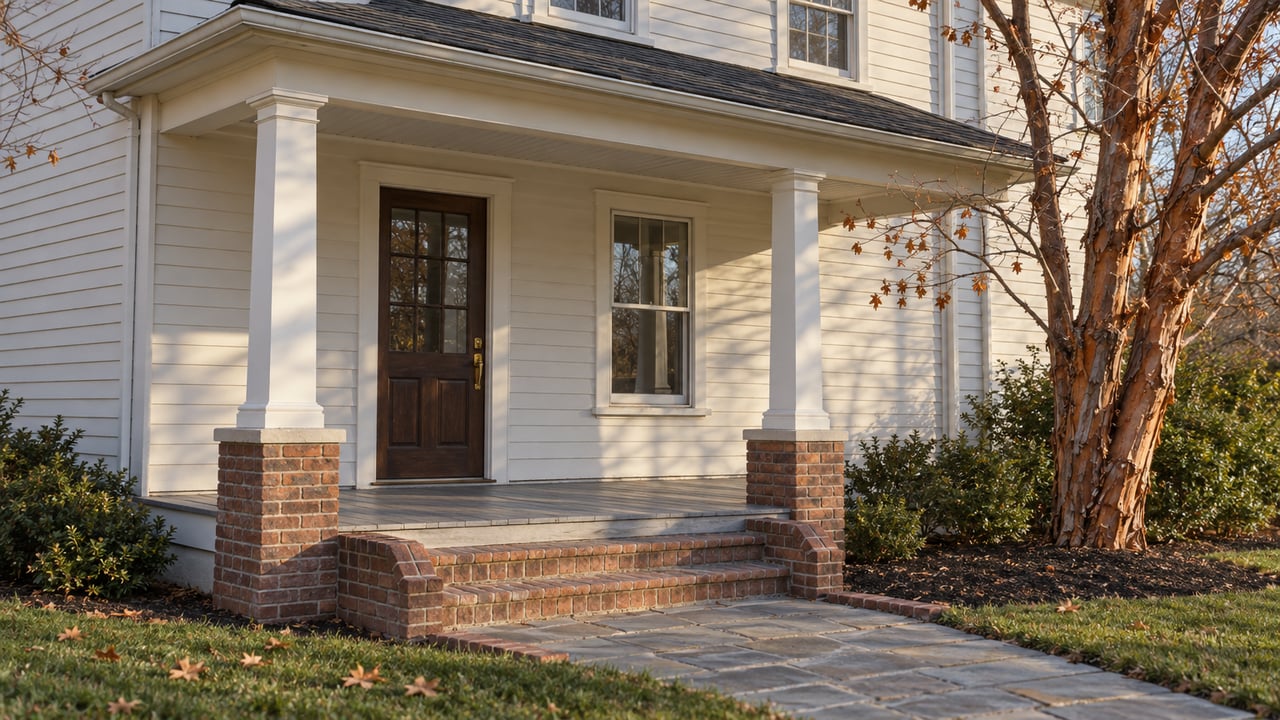
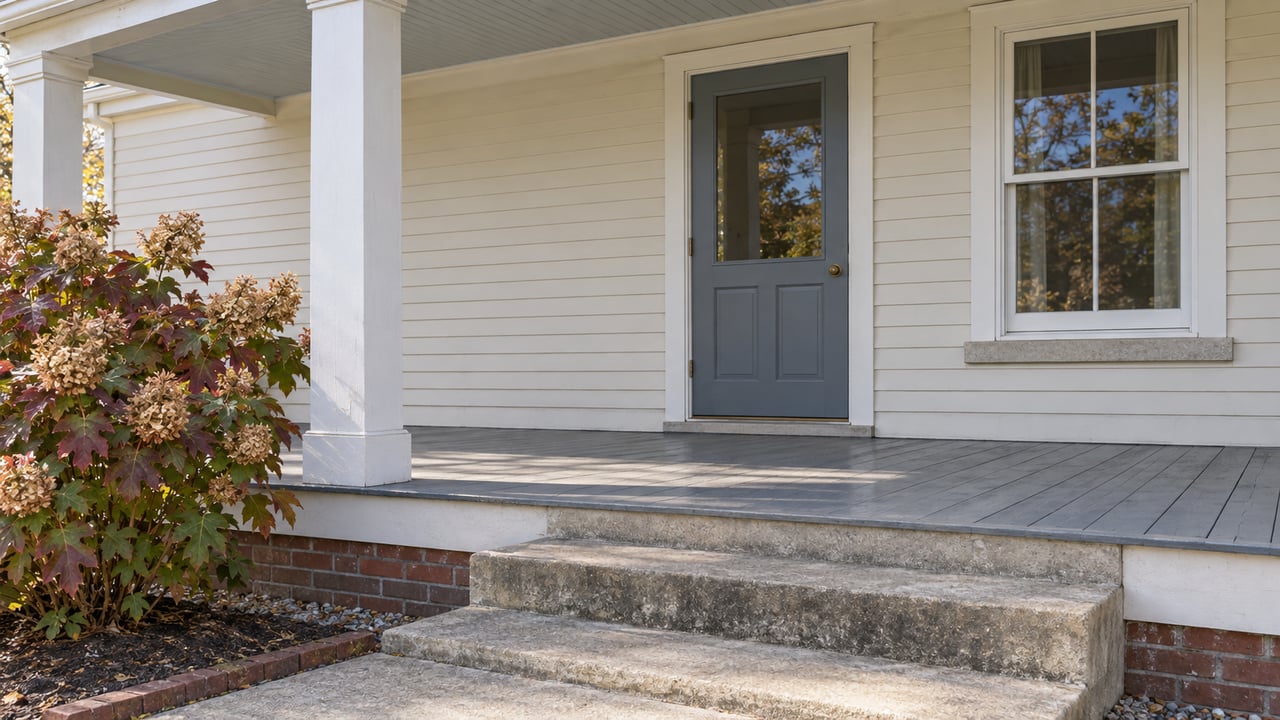
According to the 2025 Cost vs. Value Report for the Middle Atlantic region, some of the strongest resale returns came from straightforward exterior and entry improvements. Garage door replacement had a reported return of 336.6%, steel entry door replacement returned 219.8%, and manufactured stone veneer returned 200.7%.
A minor kitchen remodel also performed well, with a reported 107.2% return. That is an important distinction because it suggests light kitchen improvements may make more financial sense than a full, high-cost renovation.
If your goal is to sell efficiently, these types of projects are often worth considering:
The same remodeling report also found that real estate professionals frequently recommended painting the entire home, painting one room, and new roofing before selling. Buyer demand also rose for kitchen upgrades, new roofing, and bathroom renovation.
That does not mean every seller should replace a roof or renovate a bath. It means those items can matter when buyers are weighing condition, especially if a problem is obvious during showings.
Selling as-is can be a smart move when the home is functional, the needed work is mostly cosmetic, and you want to get to market quickly. In Emmaus, where homes are often selling fast and near or above asking, some buyers may accept dated finishes if the home is otherwise solid.
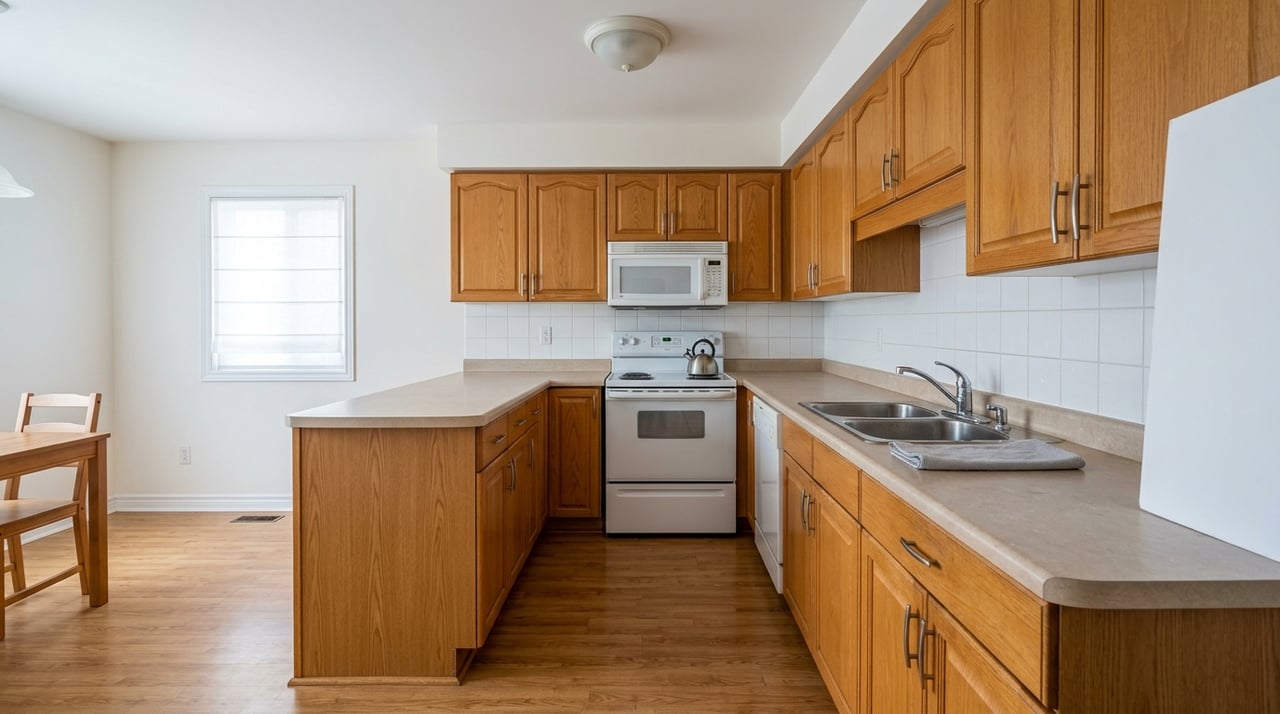
For example, older cabinets, worn countertops, or an outdated bathroom style may not justify a major remodel if the home is clean, operational, and priced correctly. In many cases, buyers can live with cosmetic issues more easily than they can live with uncertainty around larger defects.
Selling as-is may also make sense if:
This approach can work well, but only when expectations are realistic. An as-is sale is not the same thing as ignoring known problems.
Before you decide to sell as-is, focus on issues that can create serious buyer hesitation, inspection trouble, or disclosure concerns. In most cases, these are the items worth addressing first.
If the home has known structural concerns, unsafe systems, or major functional issues, those problems can shrink your buyer pool and create negotiation pressure. Even in a competitive market, buyers tend to react strongly to defects that affect safety or habitability.
Water intrusion, roof problems, and moisture-related damage often trigger concern because buyers understand the risk can spread. A roof replacement may not fully pay for itself on paper, but if the current roof is near the end of its life or showing visible issues, the work may still improve marketability.
The 2025 Cost vs. Value Report showed asphalt-shingle roof replacement at 58.3% in the Middle Atlantic. That is not a top return project, but it may still be worthwhile when it removes a major objection.
Problems involving plumbing, electrical, heating, or air conditioning can cause buyers to pause. These are not the kinds of issues you typically solve with cosmetic staging or paint.
If a system is not working properly, a repair may be the better move than hoping a buyer will overlook it. In many cases, a clean inspection path matters more than squeezing in one more cosmetic improvement.
If you are thinking about listing as-is, it is important to understand that as-is does not cancel disclosure obligations. Pennsylvania’s Real Estate Seller Disclosure Law requires sellers to disclose known material defects before an agreement of sale is signed.
The law specifically references issues involving roofs, basements or crawl spaces, structural problems, additions or remodeling, water and sewage systems, plumbing, heating and air conditioning, electrical systems, hazardous substances, legal or title matters, and stormwater facilities. The law also says sellers may not make false, deceptive, or misleading representations.
In simple terms, calling a property as-is does not let you skip known issues. A better strategy is to be clear, disclose properly, and decide whether fixing a problem now will improve your outcome later.
Timing can be just as important as cost. If your update plan involves work that requires permits, you need to factor that into your listing schedule.
Emmaus requires building permits for new construction, additions, pools, and alterations extending the exterior. Electrical, mechanical, and plumbing permits are required for new construction and repairs, and registered plumbers are required for plumbing work. Zoning permits are also required for certain items such as sheds, fences, patios, grading, retaining walls, and new or altered driveways.
That matters because permit-heavy projects can slow your launch. If your main goal is speed, a long pre-listing construction timeline may work against you.
For most Emmaus sellers, major remodeling is the least attractive option. Large projects often cost more, take longer, and return less than expected.
The 2025 Cost vs. Value Report showed a major midrange kitchen remodel at 49.0%, an upscale bath remodel at 42.2%, a bath addition at 53.3%, and a midrange primary suite addition at 32.3% in the Middle Atlantic. Those numbers make one point very clear: if you plan to move soon, major expansion work is usually a poor bet.
A seller-focused strategy is different from a long-term homeowner strategy. You are not renovating for your personal enjoyment over the next 10 years. You are making targeted decisions to support price, marketability, and timing right now.
For many homes in Emmaus, the best answer is neither a full renovation nor a completely untouched as-is listing. It is a light-prep strategy.
That means you fix the issues most likely to affect disclosures, inspections, and buyer confidence. Then you spend selectively on visible improvements that help the home show better without overinvesting.
A practical pre-sale plan often looks like this:
This approach helps you protect both your timeline and your equity. It also gives buyers fewer reasons to hesitate.
If you are unsure which path makes sense, think about the decision in two parts: value and timeline.
If a project is low-cost, visible, and likely to remove a buyer objection, it is usually worth considering. If it is expensive, permit-heavy, or likely to return only a fraction of its cost, pricing the home appropriately may be the better move.
That is where local guidance matters. A seller in Emmaus benefits from more than a generic checklist. You need a real-world opinion on condition, repair scope, buyer expectations, and likely return based on your specific property.
With Jeff Adams’ background in construction and renovation, you can get practical advice that goes beyond surface-level staging tips. If you want a clear strategy for whether to update, lightly prep, or sell as-is in Emmaus, connect with Jeff Adams for a tailored home valuation and pre-listing game plan.
Stay up to date on the latest real estate trends.
Trust him for expert real estate guidance rooted in deep local insight and seasoned experience. With his strong negotiation skills and client-first approach, he makes buying or selling confident, strategic, and seamless.

JEFFREY ADAMS
3120 Hamilton Blvd Allentown, PA 18103