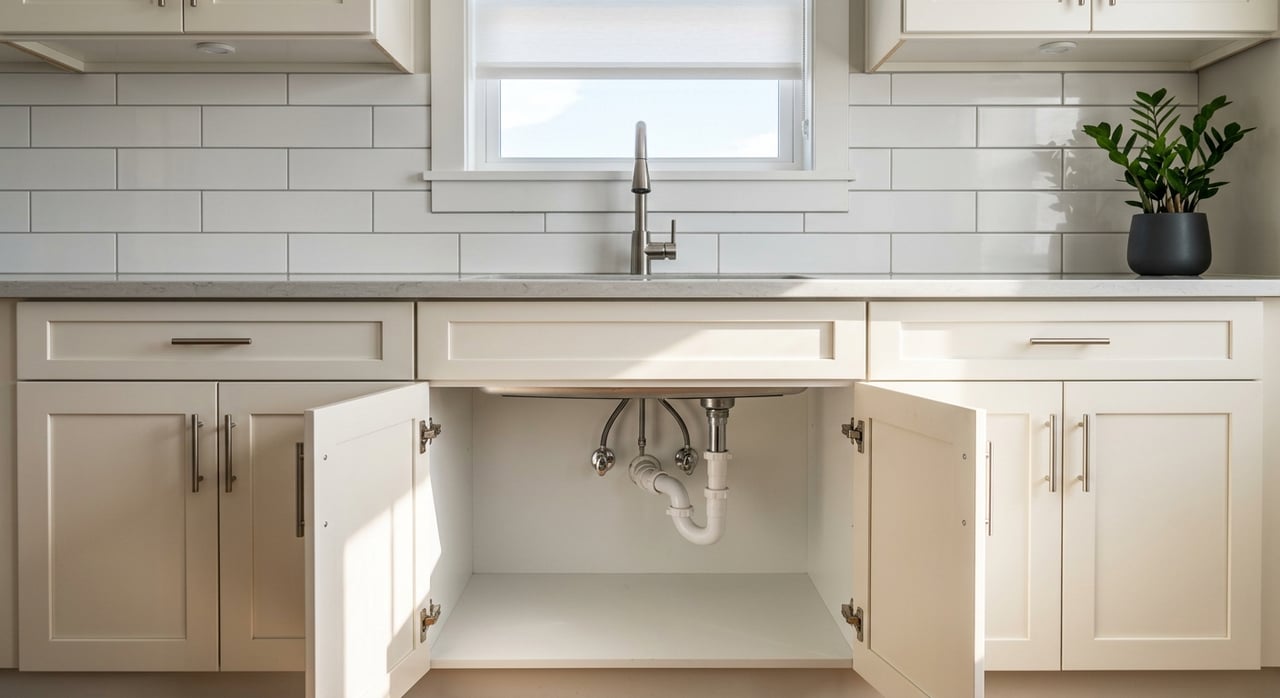
Macungie Home Inspection Checklist for Sellers
June 18, 2026
June 18, 2026
Worried a buyer’s inspection might uncover problems you did not see coming? If you are getting ready to sell your home in Macungie, that concern is completely normal. The good news is that smart prep can help you avoid surprises, make the process smoother, and show buyers your home has been cared for. Let’s dive in.
In Pennsylvania, a home inspection is a noninvasive visual examination of accessible systems and components. That means the inspector is looking at what can be seen and reached on the day of the inspection, not opening up walls or doing a technically exhaustive review.
For sellers in Macungie, that matters because the goal is not to create a perfect house. The goal is to make the home accessible, functional, and honest in its presentation. Safety issues and known material defects should be your top priorities.
Pennsylvania defines a material defect as a problem that significantly harms value or creates an unreasonable risk to people on the property. That is why your prep should focus first on items like roof problems, water intrusion, electrical issues, plumbing leaks, structural concerns, and HVAC trouble before you spend energy on cosmetic updates.
If you are not sure where to focus, Pennsylvania’s seller disclosure form gives you a practical roadmap. It specifically asks about major areas such as the roof, basements and crawl spaces, termites and wood-destroying insects, structural problems, additions or remodeling, water and sewage systems, plumbing, heating and air conditioning, electrical systems, appliances, soils and drainage, hazardous substances, and homeowners association or condominium matters.
Those categories are a great starting point because they align with the issues most likely to matter during a buyer’s inspection. If you know of a problem in one of those areas, address it early and make sure your disclosure stays accurate through settlement.
If new information comes up before closing, Pennsylvania requires sellers to update the disclosure. Written reports from a home inspector, contractor, or other licensed expert can also help support your disclosure for issues within that expert’s field.
The easiest way to get your Macungie home ready is to work in this order:
This sequence works because inspectors need to reach key areas first. Then they need systems to be on and working, and finally it helps to have paperwork and presentation cleaned up.
One of the simplest ways to avoid unnecessary inspection notes is to make sure the inspector can get where they need to go. If access is blocked, the report may note that the area was not fully inspected.
Clear paths to the attic, basement, crawl space, garage walls, furnace, water heater, air-conditioning equipment, electrical panel, and shutoff valves. Unlock gates, access panels, attic hatches, and crawl-space entries before the inspection day.
If you use storage areas heavily, this step matters even more. A packed utility room or a closet blocking an attic hatch can create delays and raise questions that are easy to prevent.
The outside of the house often gives early clues about maintenance. In Macungie, where seasonal weather can be tough on roofs, drainage, and exterior materials, it makes sense to walk the property carefully before listing.
Clear the perimeter of the home so the inspector can view the foundation, siding, and lower exterior walls. Remove stacked wood, stored items, and debris near the house, especially around foundation areas.
Trim shrubs and tree limbs away from the structure where needed. Repair obvious items like broken screens, damaged locks or latches, loose gutters, missing downspouts, and chimney caps if they need attention.
Also replace any burned-out bulbs outside. It is a small fix, but a nonworking light can be flagged as a possible electrical issue.
In Pennsylvania, basements, crawl spaces, structural issues, water, sewage, soils, and drainage are all specifically called out in seller disclosure requirements. That makes lower-level areas especially important.
Look for visible moisture, musty odors, staining, standing water, efflorescence, cracks, or signs of movement. If you know water comes in during heavy rain or snowmelt, that is something to address directly rather than hope it goes unnoticed.
Make sure sump pump areas, foundation walls, and crawl-space entries are accessible. If you have had repairs or waterproofing work done, keep those records available.
A buyer’s inspector will look at the core systems that keep the house running. Before the inspection, keep utilities on and make sure gas pilot lights are burning if applicable.
Inspectors cannot fully evaluate systems that are shut down. Turning off water, electricity, or HVAC equipment before the inspection can create extra questions and may lead to incomplete findings.
Take time to test:
If something is clearly not working, it is better to know before the buyer does. This is where Jeff Adams’ builder-minded approach can be especially helpful, because identifying what is a true repair issue versus a simple maintenance item can save you time and money.
You do not need a full remodel to improve inspection readiness. A few practical fixes can make a noticeable difference.
Good quick wins include re-caulking around tubs and sinks, clearing slow drains, replacing cracked windows, repairing torn screens, and cleaning up old or dingy grout. These items may seem minor, but they help reduce the appearance of deferred maintenance.
Walk through kitchens, bathrooms, laundry areas, and living spaces with a simple checklist. Run faucets, flush toilets, open and close windows, test locks, and replace burned-out bulbs.
Clutter does not usually count as a defect, but it can make buyers and inspectors wonder what is being hidden. A clean, accessible home tends to feel better maintained.
Focus especially on closets with access panels, utility areas, attic entrances, and spaces under sinks. You do not need to empty the house, but you should remove items that block important systems or inspection points.
This is also a smart time to gather maintenance records. If you have receipts, warranties, or service paperwork for major repairs or replacements, keep them in one place.
Radon deserves extra attention in Macungie and across Pennsylvania. According to the Pennsylvania DEP, about 40% of homes tested in the state have radon levels above the EPA action guideline of 4 pCi/L.
Because radon can be elevated anywhere, especially in basements and ground-floor rooms, testing is worth serious consideration. If elevated levels are found, Pennsylvania DEP points sellers to certified contractors for mitigation.
A general home inspection does not replace radon testing. If you want fewer surprises during a transaction, handling this early can be a practical move.
Before your home hits the market, confirm that smoke and carbon monoxide protection is in place and working. Pennsylvania guidance says smoke alarms should be inside every bedroom, outside each sleeping area, and on every level of the home.
Smoke alarms should be tested monthly and replaced every 10 years. Carbon monoxide detectors should be on each floor and near major fuel-burning appliances.
These are small items, but they matter. Buyers notice them, inspectors check them, and they speak to overall home safety.
One common seller mistake is assuming the buyer’s general inspection covers every system on the property. In Pennsylvania, some specialty items are outside the scope of a standard home inspection.
These can include wells, septic systems, pools and spas, alarm systems, air and water quality, environmental hazards, and other nonstandard systems. If your Macungie property has private well or septic components, or if you know of a related concern, consider separate evaluations instead of assuming the general inspection will handle it.
This is especially important if you want a clearer picture of condition before you negotiate with a buyer.
Pennsylvania’s disclosure form specifically highlights termites and wood-destroying insects. That means it is smart to deal with conditions that may invite concern.
Remove stacked wood from the foundation area, clear excess debris, and pay attention to visible signs of pest activity. Even if the issue turns out to be minor, cleaning up these areas early can help prevent avoidable red flags.
Some issues belong on a weekend to-do list. Others need a licensed contractor or specialist.
If you are dealing with roof leaks, electrical faults, plumbing leaks, HVAC failures, foundation movement, or persistent moisture, it is wise to bring in the right professional before listing. Pennsylvania’s inspection framework allows inspectors to identify material defects and recommend expert evaluation when needed.
If repairs are completed, keep invoices, warranties, and expert reports with your disclosure paperwork. That documentation can help support what was fixed and when.
A pre-listing inspection is not required in Pennsylvania, but it can be a useful strategy. It gives you an early look at what a buyer’s inspector is likely to notice.
For some sellers, that means more control over timing, repairs, and pricing decisions. If you want to reduce surprises and plan your next steps with a clearer technical picture, a pre-listing inspection may be worth discussing.
If you only remember a few things, remember these. Fix safety issues first. Deal with known material defects honestly. Make every major area accessible. Keep systems on and working. Gather records and then handle the cosmetic cleanup.
That approach can help you avoid delays, reduce stress, and walk into the inspection with more confidence. In a market like Macungie, thoughtful prep can make a real difference in how smoothly your sale moves forward.
If you want practical guidance on what is worth fixing, what is better disclosed, and how to position your home for the market, Jeff Adams can help you make smart, property-specific decisions with a builder’s eye and a local broker’s perspective.
Stay up to date on the latest real estate trends.



Trust him for expert real estate guidance rooted in deep local insight and seasoned experience. With his strong negotiation skills and client-first approach, he makes buying or selling confident, strategic, and seamless.

JEFFREY ADAMS
3120 Hamilton Blvd Allentown, PA 18103