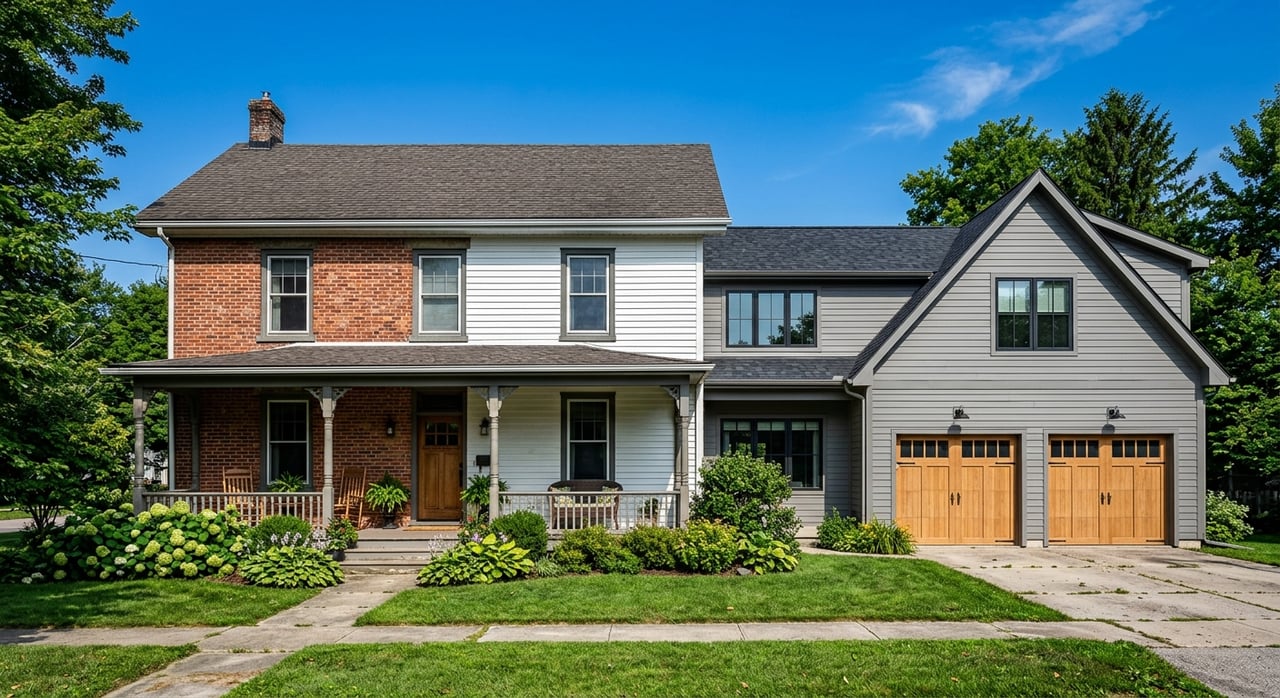
Macungie Older vs Newer Homes: What to Compare First
June 11, 2026
June 11, 2026
Wondering whether an older home or a newer build makes more sense in Macungie? You are not alone. In this area, that choice often comes down to more than style alone. It can affect maintenance, layout, utility costs, and the kind of questions you should ask before you make an offer. If you understand how Macungie’s housing developed over time, you can compare homes more confidently and focus on what matters most. Let’s dive in.
Macungie has a clear housing contrast that shows up from one area to the next. The borough is the historic core, with roots going back to the 1700s, and local planning documents place strong emphasis on historic architecture, historic structures, and property maintenance. That older development pattern is a big reason many homes in the borough feel different from homes in the surrounding townships.
Lower Macungie and Upper Macungie developed more heavily in later decades. Lower Macungie notes that its population stayed under 4,000 until the 1960s, and many farms began transitioning to housing in the 1970s. Upper Macungie saw major housing growth in the 1990s and 2000s, with many homes built during that period.
That timeline matters when you shop for a home. In and around Macungie, “older” often points you toward borough homes and older rural-edge properties. “Newer” often means subdivision homes, townhomes, twins, and detached homes in Lower or Upper Macungie.
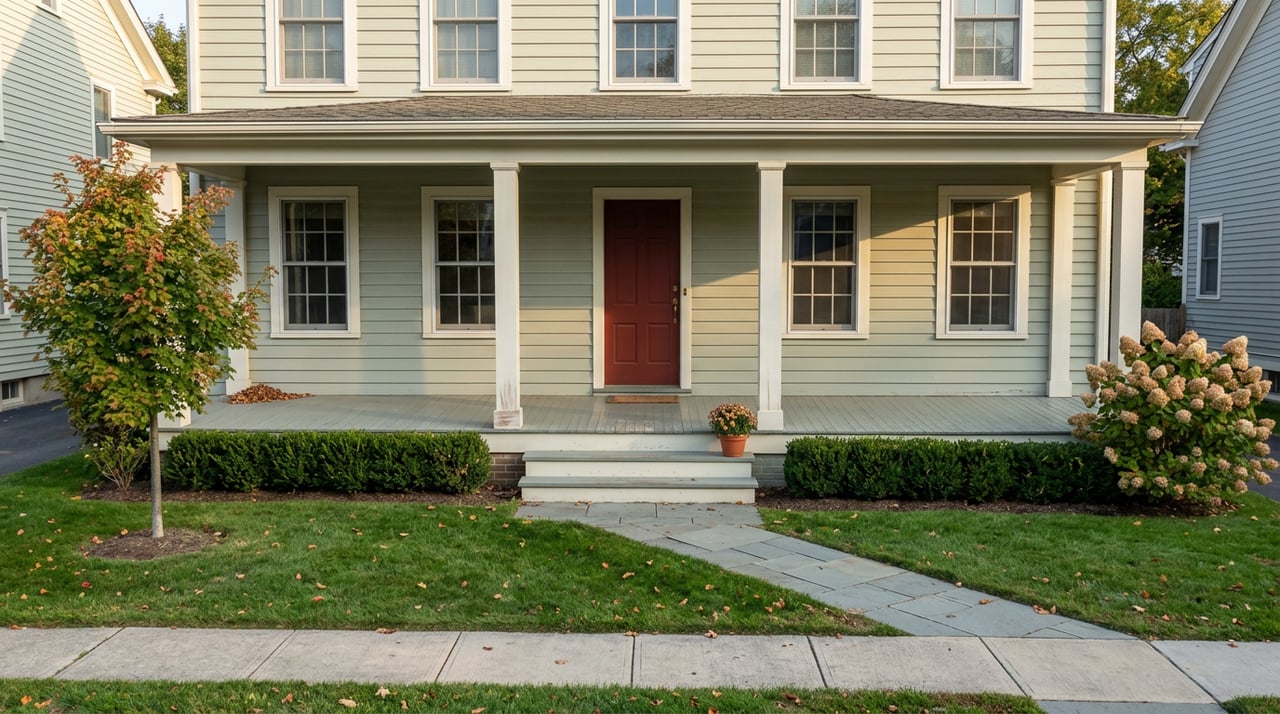
Older homes in the Macungie area often appeal to buyers who want character and a more established setting. In the borough, the downtown plan reflects a compact, walkable, small-town pattern. That usually means homes can feel closer to the street, closer to one another, and tied more closely to the historic layout of the community.
From a construction standpoint, older homes in the historic Macungie area may reflect traditional Pennsylvania building styles like log-house or stone-farmhouse construction. You may also see older framing, masonry, plaster walls, wood trim, and renovations completed across different decades. That mix can create charm, but it can also mean each home has a very different condition story.
Older does not automatically mean problematic. It does mean you should expect more variation from one property to another. Two homes on the same street can have very different levels of updating, system life, and repair needs.
Older Macungie-area homes often stand out for:
You may also need to plan for:
Newer homes in Lower and Upper Macungie usually deliver a more standardized layout and systems profile. Upper Macungie’s housing data makes this especially clear, with thousands of units built in the 2000s and 2010s and far fewer homes dating to 1939 or earlier. Local planning materials also show a mix led by detached homes and townhomes.
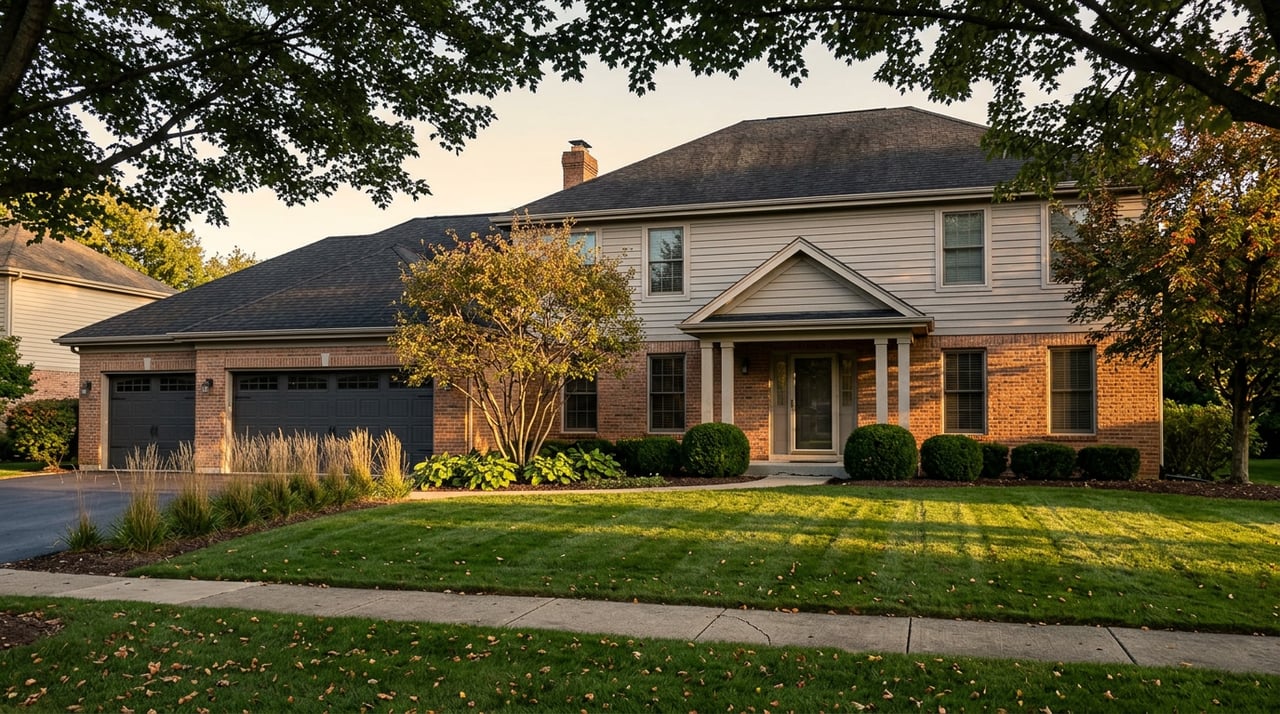
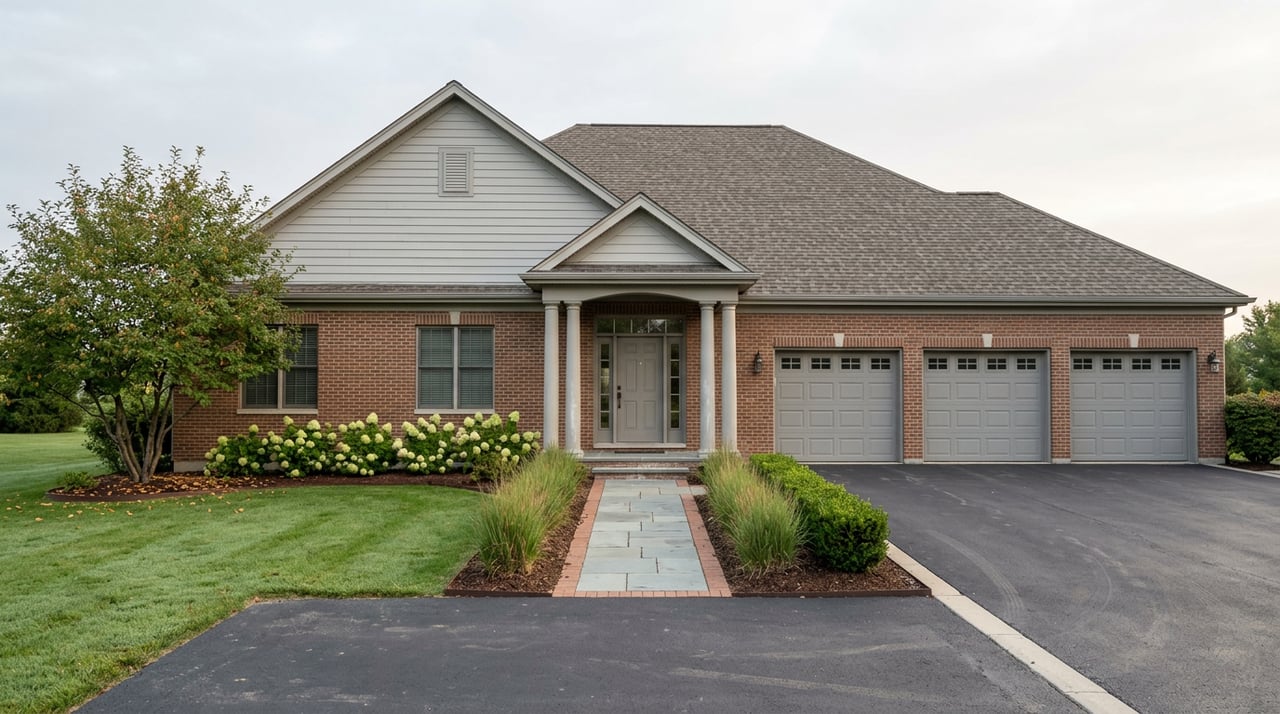
In practical terms, newer homes are more likely to be part of subdivisions or planned neighborhoods. You may see open layouts, attached garages, newer windows, newer insulation standards, and a more predictable floor plan. Buyers who want less immediate project work often find this part of the market easier to evaluate.
That said, newer does not mean maintenance-free. You still want to confirm that improvements and original construction were permitted and inspected correctly. A newer home can have deferred maintenance, builder-grade components nearing replacement, or finished spaces that were not properly documented.
Newer Macungie-area homes often appeal because of:
It is still smart to check for:
One of the biggest differences between older and newer homes in Macungie is how they live day to day. Older borough homes tend to reflect the compact pattern of a historic small town. Rooms may feel more defined, lot layouts may be tighter, and the overall setting may feel more tied to the original street grid.
Newer township homes usually reflect a later suburban development pattern. You are more likely to find detached homes, attached homes, or twins in neighborhood settings shaped by more recent growth. For many buyers, that means a more familiar subdivision feel and a floor plan that aligns more closely with current preferences.
Neither option is better across the board. The right fit depends on whether you value character and an older setting, or a newer layout and a more recent systems baseline.
Energy performance is another area where old versus new can matter. The U.S. Department of Energy notes that older homes usually have less insulation than homes built today, and that air sealing plus a whole-house energy assessment can help identify savings.
In Macungie, that often means older homes may need insulation or air-sealing upgrades to improve comfort and efficiency. Newer homes are more likely to start from a stronger baseline because of when they were built. Still, actual performance depends on the specific home, any upgrades already completed, and how well systems have been maintained.
If utility costs matter to you, look beyond the age alone. Ask what has been upgraded and what still appears original.
If you are looking at an older Macungie home, due diligence matters even more. Age can bring unique materials, replacement history, and documentation questions that deserve close attention.
One important topic is lead-based paint. The EPA says homes built before 1978 are much more likely to contain lead-based paint. For older borough homes in particular, it is smart to ask whether the property is pre-1978 and whether past work followed lead-safe practices.
Water service is another practical item. Macungie Borough maintains a public service-line inventory that tracks lead, non-lead, galvanized-requiring-replacement, and unknown service lines. For older borough properties, asking about the water-service-line status and plumbing materials is a reasonable part of your review.
You should also pay close attention to the age of the roof, heating and cooling equipment, water heater, electrical panel, and major plumbing components. In an older home, these updates can have a big impact on your near-term budget.
Newer homes still deserve a careful inspection strategy. The focus is often different, but it is not lighter. Instead of assuming everything is current, you want to verify what was installed, when it was installed, and whether later work was properly approved.
Local permit departments in Macungie Borough, Lower Macungie, and Upper Macungie all play a role in reviewing and inspecting work. Upper Macungie notes required inspections for items such as framing, insulation, final building, plumbing, electrical, energy, mechanical, fire protection, and accessibility. That makes permit history especially important when you are reviewing a home with finished basements, decks, additions, or other alterations.
A newer home may look turnkey on the surface. But if improvements were added later, documentation matters just as much as appearance.
Some inspection items apply no matter when the home was built. Radon is one of the most important. Pennsylvania DEP says about 40% of homes tested in Pennsylvania exceed the EPA action guideline of 4 pCi/L.
That is why radon testing should be treated as standard in both older and newer Macungie homes. Elevated radon has been found in homes across all radon zones, and basements or lower levels deserve special attention. This is not just an older-home issue.
If you want a simple way to compare older and newer construction, focus on updates, documentation, and likely near-term costs. These questions can help you cut through the surface-level differences.
Ask:
These questions work because they shift the conversation from “old versus new” to condition, documentation, and cost. That is the more useful comparison in the real world.
In Macungie, older homes usually offer more character, a more compact location pattern, and a higher chance that some updates will be needed. Newer homes usually offer more standardized layouts, more subdivision-style housing options, and a newer systems profile.
The better choice depends on your comfort level with maintenance, your budget for updates, and the type of setting you want. If you love original details and do not mind reviewing condition closely, an older home may be a great fit. If you want a more predictable layout and fewer immediate projects, newer construction may feel easier to manage.
This is where a builder-minded review can help. When you look past finishes and focus on structure, systems, and prior work, you can make a much more informed decision.
Whether you are comparing a historic borough home or a newer township property, the right advice can save you time and reduce surprises. If you want help evaluating condition, updates, and resale potential in the Macungie area, connect with Jeff Adams for practical guidance grounded in local market knowledge and hands-on construction experience.
Stay up to date on the latest real estate trends.
Trust him for expert real estate guidance rooted in deep local insight and seasoned experience. With his strong negotiation skills and client-first approach, he makes buying or selling confident, strategic, and seamless.
JEFFREY ADAMS
3120 Hamilton Blvd Allentown, PA 18103